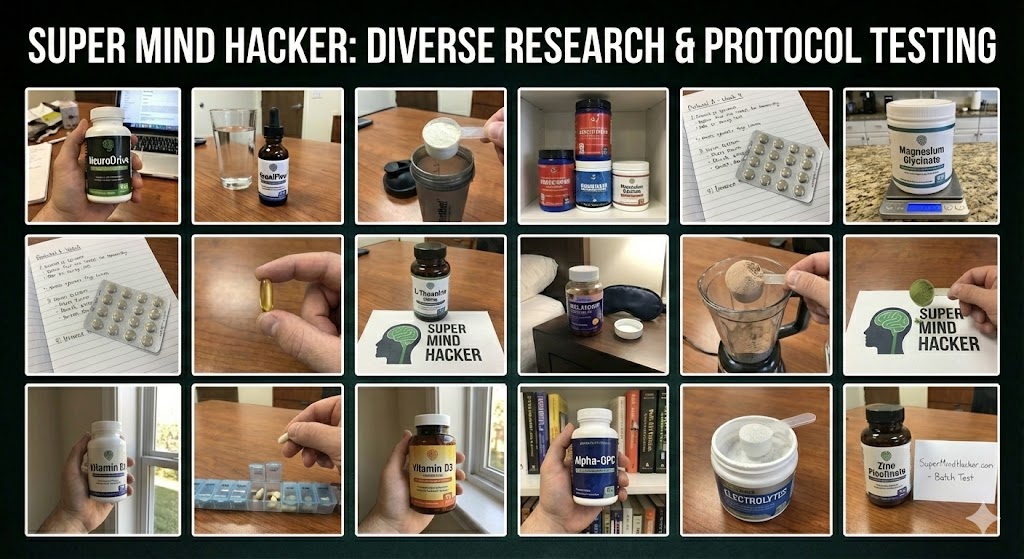
L-tryptophan is an essential amino acid that serves as the sole precursor for serotonin and melatonin synthesis while also participating in the immunomodulatory kynurenine pathway. Beyond its role in neurotransmitter production; tryptophan metabolism through the kynurenine pathway produces metabolites that affect neuroinflammation; cognitive function; and immune regulation. Research published in PMC: Tryptophan metabolism and the kynurenine pathway in health and disease demonstrates that tryptophan availability influences not only sleep and mood through serotonin but also immune tolerance and neuroprotection through kynurenine metabolites.
Essential Amino Acid Status
Tryptophan is essential; meaning it must come from diet. The body cannot synthesize it.
Dietary sources include protein-rich foods. Turkey; chicken; eggs; and dairy contain tryptophan. Plant sources include seeds and nuts.
Competition with other amino acids limits brain uptake. Large neutral amino acid transporter carries multiple amino acids. Ratios affect transport.
Carbohydrate intake increases brain tryptophan. Insulin release lowers competing amino acids. Tryptophan transport improves.
Deficiency is rare in adequate protein intake. However; metabolic demands may increase needs. Supplementation may help.
Serotonin and Melatonin Synthesis
Tryptophan’s most recognized role is as serotonin precursor. Sleep and mood depend on this pathway.
Tryptophan hydroxylase is the rate-limiting enzyme. This step converts tryptophan to 5-HTP. The enzyme can be saturated.
Aromatic L-amino acid decarboxylase converts 5-HTP to serotonin. Vitamin B6 is required. Serotonin is formed.
Serotonin is then converted to melatonin. N-acetyltransferase and hydroxyindole O-methyltransferase complete the pathway. The sleep hormone is produced.
Evening tryptophan dosing supports melatonin. Natural circadian rhythm is supported. Sleep onset improves.
The Kynurenine Pathway
Tryptophan metabolism diverges at the kynurenine pathway. This route produces immunomodulatory metabolites.
Indoleamine 2,3-dioxygenase initiates the pathway. This enzyme is induced by inflammatory signals. Immune activation diverts tryptophan.
Kynurenine is formed. This metabolite has biological activity. Further metabolism produces active compounds.
Kynurenic acid is neuroprotective. It antagonizes excitotoxicity. NMDA receptor modulation provides protection.
Quinolinic acid is neurotoxic. It agonizes NMDA receptors. Balance between metabolites matters.
Integration with Sleep Optimization
L-tryptophan supports sleep optimization through multiple mechanisms. The sleep silo hub provides comprehensive guidance.
Direct melatonin production is primary. Serotonin conversion to melatonin supports sleep. Natural hormone production.
Sedative effects occur at higher doses. Direct tryptophan has calming properties. Beyond melatonin formation.
Sleep latency decreases. Time to fall asleep shortens. Onset is faster.
Sleep quality improves. Deep sleep may increase. Morning refreshment enhances.
Immune System Interactions
The kynurenine pathway links tryptophan to immune function. Inflammation diverts metabolism.
Interferon-gamma strongly induces IDO. Inflammatory states shunt tryptophan to kynurenine. Serotonin synthesis decreases.
This explains depression in inflammation. Cytokine-induced depression involves tryptophan depletion. Kynurenine metabolites contribute.
Tolerance induction depends on kynurenine. Regulatory T cell function requires pathway activation. Autoimmunity may be affected.
Chronic inflammation depletes tryptophan. Both serotonin and kynurenine arms suffer. Supplementation may restore balance.
Mood and Depression Applications
L-tryptophan has antidepressant effects. Serotonin increase explains benefits.
Clinical trials show efficacy. Depression scores improve with tryptophan. Natural alternative is supported.
Seasonal affective disorder responds particularly. Winter depression correlates with light and tryptophan. Supplementation helps.
Premenstrual syndrome may improve. Serotonin modulates mood symptoms. Luteal phase support is beneficial.
Anxiety disorders show promise. Generalized anxiety and panic may respond. Calming effects are reported.
Integration with Magnesium
L-tryptophan works synergistically with magnesium glycinate for sleep. Combined effects exceed individual benefits.
Magnesium supports tryptophan hydroxylase. The rate-limiting enzyme requires magnesium. Cofactor availability optimizes conversion.
GABA enhancement by magnesium complements serotonergic effects. Multiple inhibitory systems are supported. Relaxation is enhanced.
Sleep architecture benefits from both. Different mechanisms address sleep quality. Comprehensive support results.
Muscle relaxation from magnesium adds physical component. Mental calm from tryptophan combines. Holistic relaxation.
Cognitive Effects
Tryptophan affects cognition through multiple pathways. Performance changes are measurable.
Memory may be affected. Serotonin modulates hippocampal function. Effects depend on baseline status.
Decision-making changes. Risk aversion increases with serotonin. Choices become more conservative.
Social cognition is influenced. Serotonin affects trust and cooperation. Interpersonal behavior changes.
Acute depletion impairs cognition. Rapid tryptophan depletion protocols demonstrate this. Maintenance is essential.
Scientific References
- PMC: Tryptophan metabolism and the kynurenine pathway in health and disease ; Research on kynurenine pathway and melatonin
Neurotransmitter Systems and Emotional Regulation
Understanding neurotransmitter systems clarifies how these compounds enhance mood. Multiple systems interact to support emotional function.
Serotonin is primary for mood stability. Raphe nuclei projections affect widespread regions. Balance prevents depression and anxiety.
Dopamine supports motivation and reward. Mesolimbic pathway activation enhances pleasure. Deficiency causes anhedonia.
Norepinephrine regulates arousal and attention. Locus coeruleus activity affects alertness. Dysregulation affects mood.
GABA provides inhibitory tone. Anxiety reduction depends on GABA. Enhancement produces calm.
Glutamate excitation must be balanced. Excitotoxicity damages neurons. Modulation protects brain health.
Neuroendocrine Interactions
Mood compounds affect hormone systems. Endocrine interactions modify effects.
Hypothalamic-pituitary-adrenal axis is affected. Stress hormone regulation changes. Cortisol patterns shift.
Growth hormone release may be affected. Some compounds stimulate secretion. Metabolic effects result.
Prolactin levels change with serotonergic agents. Dopamine modulation affects this. Hormonal balance shifts.
Thyroid function interacts with mood. Depression affects thyroid hormones. Bidirectional relationship exists.
Sleep Architecture and Mood
Sleep and mood are deeply interconnected. Improvement in one benefits the other.
Sleep deprivation causes depression. REM deprivation produces mood changes. Sleep is essential for mood.
Depression causes sleep disruption. Insomnia or hypersomnia occurs. Treating depression improves sleep.
Slow-wave sleep supports mood. Deep sleep is restorative. Architecture matters.
Circadian rhythm affects both. Light and timing influence mood. Synchronization is important.
Inflammation and Depression
Inflammation contributes to depression. Neuroimmune interactions are significant.
Cytokines affect neurotransmission. Inflammatory signals alter mood. Chronic inflammation causes depression.
Tryptophan metabolism diverts to kynurenine. Serotonin synthesis decreases. Depression results.
Neuroinflammation damages neurons. Glial activation harms brain tissue. Protection is needed.
Anti-inflammatory approaches help mood. Reducing inflammation improves depression. Natural compounds may help.
Neuroplasticity and Recovery
Brain plasticity enables recovery from depression. Structural changes support wellness.
BDNF supports neuronal growth. Neurotrophic factors enable plasticity. Depression reduces BDNF.
Hippocampal volume increases with treatment. Antidepressants promote neurogenesis. Natural compounds may too.
Synaptic connections strengthen. Learning and adaptation continue. Recovery is possible.
Time is required for plasticity. Weeks are needed for changes. Patience is essential.
Genetics and Individual Response
Genetic factors affect treatment response. Individualization optimizes outcomes.
Serotonin transporter polymorphisms matter. Short allele carriers respond differently. Genetics guide selection.
Metabolic enzyme variants affect processing. CYP polymorphisms change metabolism. Dosing may need adjustment.
Receptor variants modify response. Different sensitivity to neurotransmitters. Personalized medicine approaches.
Baseline neurochemistry varies. Individual differences are substantial. Trial guides selection.
Integration with Lifestyle Interventions
Supplements work best with lifestyle foundations. Holistic approaches optimize outcomes.
Exercise enhances mood. Physical activity increases neurotransmitters. Synergy with supplements.
Sleep hygiene supports sleep. Consistent schedule and environment. Foundation for improvement.
Nutrition affects neurotransmission. Adequate protein provides precursors. Balanced diet supports brain.
Stress management is essential. Meditation and relaxation techniques. Combined with supplementation.
Seasonal Affective Disorder
Seasonal mood changes respond to specific interventions. Light and biochemistry interact.
Winter depression is common. Reduced light affects circadian rhythm. Serotonin decreases.
Light therapy is first-line. Bright light exposure helps. Timing and duration matter.
Precursor support helps. Tryptophan and 5-HTP increase serotonin. Combined with light.
Melatonin timing affects rhythm. Evening dosing helps some. Circadian realignment.
Premenstrual Syndrome
Hormonal fluctuations affect mood. Luteal phase symptoms respond to support.
Serotonin decreases premenstrually. Withdrawal from estrogen affects synthesis. Mood destabilizes.
Precursor support helps. Maintaining serotonin availability. Preventing deficiency.
Symptoms include irritability and low mood. Anxiety and cravings occur. Multiple symptoms respond.
Luteal phase dosing is targeted. Days 14-28 of cycle. Preventive approach.
Aging and Mood
Mood changes with age. Neurochemical shifts affect emotional regulation.
Serotonin systems decline with age. Receptor density decreases. Synthesis may reduce.
Dopamine function decreases. Reward processing changes. Motivation may decline.
Neuroprotection becomes important. Preserving function is critical. Antioxidants support.
Combined approaches help. Supplements with lifestyle. Maintaining wellness.
Safety Monitoring
Safe use requires monitoring. Attention to effects prevents problems.
Start with low doses. Assess tolerance before increasing. Gradual titration.
Monitor for side effects. Gastrointestinal; sleep; and mood changes. Adjust as needed.
Watch for drug interactions. Serotonin syndrome is serious. Medical supervision with medications.
Regular assessment of benefits. Continue if helpful; discontinue if not. Rational use.
Long-Term Considerations
Chronic use requires consideration. Sustainability and adaptation matter.
Tolerance may develop. Effects may diminish over time. Cycling may help.
Dependence is psychological. Not physically addictive. But psychological reliance possible.
Discontinuation effects occur. Tapering reduces withdrawal. Gradual reduction.
Periodic reassessment is wise. Needs change over time. Adapt protocol.
Combination Strategies
Combining mood supplements may enhance benefits. Strategic combinations optimize.
Complementary mechanisms synergize. Different pathways address mood. Enhanced effects.
Timing affects combinations. Some together; others separate. Optimize absorption.
Dose reduction may be possible. Combinations allow lower doses. Reduced side effects.
Monitor for excessive effects. Serotonin syndrome risk increases. Caution with multiple agents.
Pediatric and Geriatric Considerations
Special populations require attention. Age modifies responses.
Children require caution. Developing brains are sensitive. Lower doses essential.
Elderly require adjustment. Metabolism changes with age. Drug interactions increase.
Pregnancy and lactation contraindicate. Safety not established. Avoid during these periods.
Medical supervision is essential. Professional guidance for vulnerable populations. Safety first.
Future Research Directions
Mood research continues advancing. New understanding guides better use.
Personalized medicine approaches develop. Genetic testing may guide selection. Individualized protocols.
Mechanism studies clarify actions. Understanding how compounds work. Rational application.
Novel compounds are discovered. New natural products emerge. Options expand.
Integration with conventional care improves. Complementary approaches combine. Best of both.
Optimizing Mental Wellness
Comprehensive mood support requires multifaceted approaches. Optimization goes beyond single interventions.
Baseline assessment establishes starting point. Current mood; sleep; and function. Tracking changes objectively.
Targeted interventions address specific needs. Individual biochemistry varies. Personalization optimizes.
Consistent implementation produces results. Regular use maintains benefits. Sporadic use limits efficacy.
Monitoring guides adjustment. Response varies individually. Flexibility in approach.
Evidence-Based Approaches
Scientific evidence guides selection. Not all supplements have equal support.
Randomized trials provide strongest evidence. Placebo-controlled studies eliminate bias. Quality matters.
Meta-analyses synthesize results. Multiple studies combined. Robust conclusions.
Mechanism studies explain how. Understanding biological action. Rational application.
Safety data are essential. Risk-benefit analysis required. Informed decisions.
Sustainable Wellness Practices
Long-term wellness requires sustainable practices. Quick fixes fail.
Foundations are primary. Sleep; nutrition; and exercise. Supplements build on these.
Consistency matters more than intensity. Regular moderate effort. Sustainable habits.
Adaptation over time. Needs change. Adjust accordingly.
Holistic perspective. Mind and body together. Comprehensive health.
Integrative Health Strategies
Combining approaches optimizes outcomes. Integration exceeds isolation.
Conventional and complementary together. Best of both worlds. Evidence guides.
Healthcare provider involvement. Professional guidance. Safety assurance.
Monitoring and adjustment. Regular assessment. Optimize protocol.
Patient-centered care. Individual needs prioritized. Personalized approach.
Mind-Body Connection
Mental and physical health interconnect. Address both for wellness.
Stress affects both. Psychological and physiological. Managing stress helps.
Exercise benefits mood. Physical activity releases neurotransmitters. Mood elevation.
Meditation calms mind. Stress reduction techniques. Complementary to supplements.
Sleep unifies both. Physical and mental restoration. Essential foundation.
Quality of Life Enhancement
Ultimate goal is quality of life. Function and satisfaction.
Daily functioning improves. Work and relationships benefit. Participation in life.
Subjective well-being increases. Happiness and contentment. Emotional balance.
Resilience develops. Coping with challenges. Bouncing back.
Long-term flourishing. Sustainable wellness. Thriving not just surviving.
Research Frontiers
Scientific understanding advances. New discoveries guide better approaches.
Neurobiology of mood clarifies. Brain mechanisms understood. Targeted interventions.
Gut-brain axis emerges. Microbiome affects mood. New therapeutic targets.
Inflammation hypotheses develop. Neuroimmune interactions. Anti-inflammatory approaches.
Personalized medicine advances. Genetics guide treatment. Precision approaches.
Practical Implementation
Knowledge applied produces results. Implementation matters.
Start with clear goals. What to improve. Measurable outcomes.
Select evidence-based options. Research supports. Quality products.
Implement systematically. One change at a time. Assess response.
Adjust based on results. Continue what works. Modify what doesn’t.
Professional Collaboration
Healthcare providers are partners. Collaboration optimizes care.
Medical oversight ensures safety. Monitor for problems. Intervene if needed.
Integration with treatments. Conventional and complementary. Coordinated care.
Expertise guides selection. Professional knowledge. Informed choices.
Trust and communication. Open dialogue. Shared decision-making.
Future Directions
Field continues evolving. Better approaches emerge.
Novel compounds discovered. Natural products research. Expanded options.
Delivery systems improve. Enhanced bioavailability. Better effectiveness.
Personalization advances. Tailored to individual. Precision wellness.
Integration deepens. Conventional and complementary. Holistic care.
Practical Application Tips
Effective use requires attention to practical details. Implementation matters.
Start with assessment of current status. Baseline mood and sleep. Track changes objectively.
Introduce one change at a time. Isolate effects of each intervention. Identify what works.
Maintain consistent timing. Regular administration supports stable levels. Habits enhance adherence.
Monitor for several weeks before judging. Acute and chronic effects differ. Patience reveals true benefits.
Optimizing Your Approach
Personalization optimizes outcomes. Individual variation is substantial.
Genetics affect response. Polymorphisms modify metabolism. Individual differences are real.
Baseline status influences effects. Deficient individuals show greater improvement. Assessment guides selection.
Timing affects outcomes. Circadian rhythms influence response. Strategic timing optimizes.
Combination with lifestyle enhances. Sleep; exercise; and nutrition foundations. Supplements build on these.
Individual Response Variation
Responses to serotonergic supplements vary substantially. Understanding this helps set expectations.
Genetic polymorphisms affect metabolism. Serotonin transporter and receptor variants modify response. Some respond better than others.
Baseline serotonin status matters. Those with lower baseline may see greater improvement. Pre-existing deficiency predicts response.
Concurrent medications affect outcomes. Drug interactions may enhance or reduce effects. Full medication review is essential.
Health status influences results. Metabolic conditions affect processing. Optimal health supports optimal response.
Age modifies effects. Younger and older brains respond differently. Dosing may need adjustment.
Combination with Other Interventions
Serotonergic supplements work well with other approaches. Combination enhances outcomes.
Cognitive behavioral therapy adds benefit. Psychological and biological treatments synergize. Comprehensive depression care.
Light therapy complements for seasonal issues. Winter depression responds to combined approach. Multiple mechanisms addressed.
Exercise enhances serotonergic effects. Physical activity increases neurotransmitter availability. Combined mood elevation.
Meditation and mindfulness support. Stress reduction preserves serotonin. Mind-body approaches integrate.
Dietary modifications help. Adequate protein provides precursors. Balanced nutrition supports synthesis.
Monitoring Treatment Response
Objective monitoring guides treatment. Subjective reports should be supplemented.
Mood rating scales track progress. Standardized instruments quantify change. Weekly assessment reveals patterns.
Sleep diaries document sleep effects. Time to sleep onset; awakenings; and quality. Patterns emerge over time.
Side effect monitoring is essential. Tolerance and adverse effects tracked. Early detection of problems.
Response timeline varies. Some effects are acute; others chronic. Patience with gradual improvements.
Adjustment based on response. Dose modification or discontinuation. Rational use guided by data.
Sustainable Practice Recommendations
Long-term success requires sustainable practices. Consistency produces lasting benefits.
Start with modest goals. Gradual improvement builds momentum. Sustainable changes last.
Track progress regularly. Objective measurement guides adjustment. Data informs decisions.
Adjust based on response. Increase or modify as needed. Personalization optimizes.
Integrate with healthy lifestyle. Sleep; exercise; and nutrition support. Comprehensive wellness.
Final Optimization Notes
Success with L-tryptophan requires patience; consistency; and attention to individual response. Track your progress; adjust as needed; and consult healthcare providers when indicated.