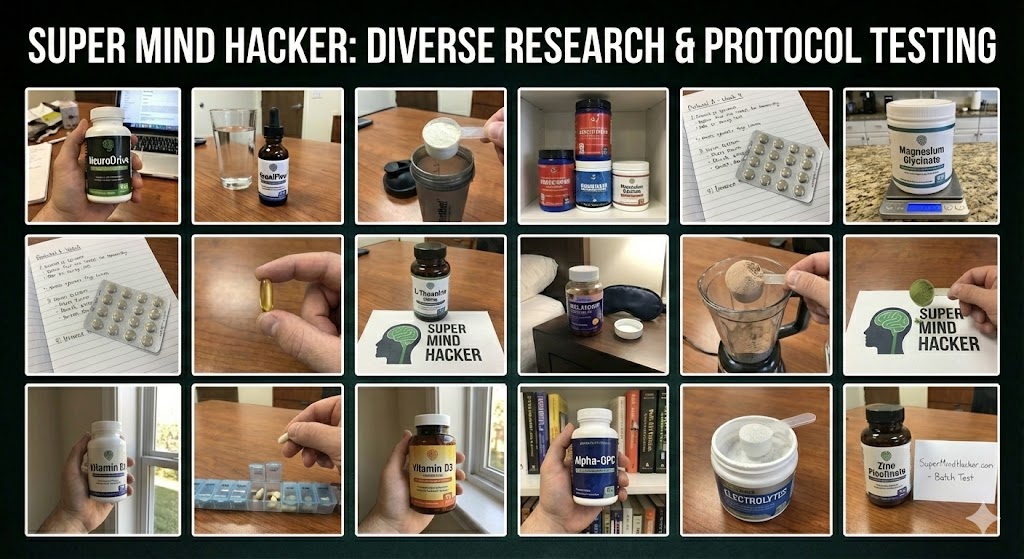
Vitamin D3 is essential for brain health; influencing neuroprotection; neurotransmitter synthesis; and cognitive function throughout life. Beyond its classical role in calcium metabolism; vitamin D functions as a neurosteroid that regulates gene expression in neural tissue. Research published in PubMed: Vitamin D and the brain: actions and therapeutic implications demonstrates that vitamin D receptors are widely distributed throughout the brain; and vitamin D deficiency is associated with increased risk of cognitive decline; depression; and neurodegenerative diseases.
Vitamin D Receptors in the Brain
Vitamin D receptors are found throughout the central nervous system. This distribution explains the multiple effects of vitamin D on brain function.
The hippocampus contains abundant vitamin D receptors. This region is critical for memory formation. Vitamin D signaling supports hippocampal function.
The prefrontal cortex also expresses vitamin D receptors. Executive function depends on this region. Vitamin D may support cognitive control.
The substantia nigra contains vitamin D receptors. This dopaminergic region is vulnerable to degeneration. Vitamin D may provide neuroprotection.
Glial cells express vitamin D receptors. These support cells mediate neuroinflammation. Vitamin D signaling modulates inflammatory responses.
Neuroprotective Mechanisms
Vitamin D provides multiple mechanisms of neuroprotection. These mechanisms preserve neuronal function and survival.
Antioxidant effects reduce oxidative stress. Vitamin D upregulates antioxidant enzymes. This upregulation protects neural lipids and proteins.
Anti-inflammatory actions protect neural tissue. Vitamin D reduces pro-inflammatory cytokine production. Chronic inflammation contributes to neurodegeneration.
Neurotrophic factor expression is enhanced by vitamin D. Nerve growth factor and other trophic factors support neuronal health. Vitamin D increases their production.
Calcium homeostasis is regulated by vitamin D. Proper calcium levels are essential for neuronal function. Vitamin D prevents both deficiency and excess.
Autophagy is promoted by vitamin D. This cellular recycling process removes damaged components. Enhanced autophagy supports neuronal longevity.
Neurotransmitter Synthesis
Vitamin D influences the synthesis of multiple neurotransmitters. These effects modulate mood; cognition; and behavior.
Dopamine synthesis is supported by vitamin D. Tyrosine hydroxylase expression increases with vitamin D. This enzyme is rate-limiting for dopamine production.
Serotonin synthesis depends on vitamin D. The vitamin regulates tryptophan hydroxylase. This enzyme converts tryptophan to serotonin.
Acetylcholine levels are maintained by vitamin D. Choline acetyltransferase expression is vitamin D-dependent. This enzyme synthesizes acetylcholine.
GABA synthesis may also be influenced. Glutamic acid decarboxylase requires vitamin D cofactors. GABAergic function affects anxiety and excitability.
Cognitive Function and Vitamin D
Vitamin D status correlates with cognitive performance. Adequate levels support optimal brain function.
Memory performance is enhanced by vitamin D. Episodic memory shows particular sensitivity to vitamin D status. Supplementation improves memory in deficient individuals.
Executive function depends on adequate vitamin D. Planning; reasoning; and cognitive flexibility require vitamin D. Deficiency impairs these higher-order functions.
Processing speed is affected by vitamin D status. Faster information processing correlates with higher vitamin D levels. This relationship is independent of age.
Dementia risk increases with vitamin D deficiency. Longitudinal studies show consistent associations. The mechanism may involve neuroprotection and vascular health.
Depression and Vitamin D
Vitamin D deficiency is associated with depression. Supplementation may improve mood in deficient individuals.
Seasonal affective disorder correlates with vitamin D. Winter depression coincides with reduced sun exposure. Vitamin D supplementation is a recommended treatment.
The mechanism involves serotonin regulation. Vitamin D increases serotonin synthesis. This increase may explain mood improvement.
Inflammation reduction also contributes. Depression involves neuroinflammation. Vitamin D’s anti-inflammatory effects may help.
Clinical trials show mixed results. Benefits are most pronounced in deficient individuals. Screening for deficiency before supplementation is recommended.
Neurodegenerative Disease Prevention
Vitamin D may reduce risk of neurodegenerative diseases. Epidemiological and mechanistic evidence supports this possibility.
Alzheimer’s disease risk correlates with vitamin D status. Deficiency increases risk. Supplementation may provide protection.
Amyloid clearance is enhanced by vitamin D. The vitamin promotes microglial phagocytosis. This clearance reduces amyloid accumulation.
Parkinson’s disease also shows associations. Vitamin D deficiency is common in Parkinson’s patients. Whether supplementation slows progression is under investigation.
Multiple sclerosis risk is reduced by vitamin D. Higher levels correlate with lower MS risk. Latitude gradients in MS incidence support this relationship.
Vitamin D Synthesis and Sources
Understanding vitamin D sources guides optimization strategies. Multiple sources contribute to vitamin D status.
Sunlight exposure produces vitamin D in skin. UVB radiation converts seven-dehydrocholesterol to vitamin D3. This is the primary natural source.
Latitude; season; and time of day affect synthesis. Winter sun at high latitudes produces little vitamin D. Midday summer sun is most effective.
Skin pigmentation reduces synthesis. Melanin absorbs UVB radiation. Darker skin requires more sun exposure.
Dietary sources are limited. Fatty fish; egg yolks; and fortified foods provide vitamin D. Diet alone rarely provides adequate amounts.
Supplementation ensures consistent intake. Vitamin D3 is the preferred form. This form is more effective than D2 at raising serum levels.
Optimal Vitamin D Levels
Target levels for vitamin D are debated. Evidence supports levels higher than traditional minimums.
Serum twenty-five-hydroxyvitamin D is the measured metabolite. Levels below twenty nanograms per milliliter are deficient. Levels between twenty and thirty are insufficient.
Optimal levels may be forty to sixty nanograms per milliliter. These levels provide maximal bone and extraskeletal benefits. Brain health may require adequate levels.
Toxicity is rare. Levels above one hundred fifty nanograms per milliliter may cause hypercalcemia. This requires very high intake over extended periods.
Testing guides supplementation. Baseline testing before supplementation is recommended. Follow-up testing confirms adequate dosing.
Supplementation Strategies
Effective supplementation requires appropriate dosing and form. These choices optimize benefits.
Vitamin D3 is preferred over D2. D3 raises serum levels more effectively. The effect is more sustained.
Dosing depends on baseline status. Deficient individuals may require high doses initially. Maintenance doses are lower.
Typical maintenance doses range from one thousand to five thousand IU daily. Individual needs vary based on absorption and body size. Testing guides individualization.
Fat-soluble vitamin D requires dietary fat for absorption. Taking supplements with meals enhances absorption. This is particularly important for low-fat meals.
Connection to Cognitive Performance
Vitamin D3 supports optimizing cognitive performance. This vitamin complements other cognitive enhancers.
Neuroprotection preserves cognitive capacity. Vitamin D reduces risk factors for cognitive decline. This protection supports sustained performance.
Neurotransmitter optimization enhances function. Vitamin D supports dopamine and serotonin synthesis. These neurotransmitters are essential for motivation and mood.
Anti-inflammatory effects reduce cognitive impairment. Chronic inflammation impairs neural function. Vitamin D’s anti-inflammatory action supports clarity.
Magnesium and Vitamin D Synergy
Vitamin D3 works synergistically with magnesium to support brain health. Magnesium is required for vitamin D activation; converting it to its active form. Building on magnesium L-threonate for synaptic density provides the enzymatic cofactors that enable vitamin D’s neuroprotective effects.
Both nutrients support NMDA receptor function. Magnesium regulates receptor activation while vitamin D modulates receptor expression. Combined supplementation addresses both acute regulation and long-term adaptation.
Neuroprotection is enhanced by the combination. Magnesium’s anti-inflammatory effects complement vitamin D’s antioxidant properties. The dual protection may exceed either nutrient alone.
Integration with Dopamine Function
Vitamin D3 supports optimal dopamine baseline. The relationship between vitamin D and dopamine is bidirectional.
Dopamine synthesis requires vitamin D. Tyrosine hydroxylase expression depends on vitamin D signaling. Adequate vitamin D supports dopamine production.
Dopamine receptors may be influenced by vitamin D. Vitamin D regulates gene expression. Receptor expression may be vitamin D-dependent.
Both vitamin D and dopamine support mood and motivation. Deficiency in either produces similar symptoms. Combined optimization addresses both systems.
Sunlight exposure increases both vitamin D and dopamine. UV exposure stimulates vitamin D synthesis and dopamine release. Natural light supports both systems simultaneously.
Seasonal Variation and Brain Health
Vitamin D levels vary seasonally. These variations affect brain function throughout the year.
Winter vitamin D levels are lowest. Reduced sun exposure decreases synthesis. Brain function may decline during this period.
Seasonal affective disorder peaks in winter. Low vitamin D may contribute to this pattern. Supplementation may prevent seasonal mood changes.
Cognitive performance may also show seasonal variation. Some studies report lower performance in winter. Vitamin D may mediate this variation.
Year-round supplementation maintains stable levels. This stability may support consistent brain function. Testing ensures adequate dosing across seasons.
Special Populations
Certain populations require additional attention to vitamin D status. These groups are at higher risk for deficiency.
Elderly individuals have reduced skin synthesis. Vitamin D production declines with age. Supplementation is often necessary.
Individuals with dark skin require more sun exposure. Melanin reduces UVB penetration. Supplementation may be necessary; especially at high latitudes.
Those with limited sun exposure are at risk. Indoor occupations; clothing choices; and sunscreen use reduce synthesis. Supplementation addresses these limitations.
Obesity affects vitamin D distribution. Fat sequesters vitamin D; reducing bioavailability. Higher doses may be necessary for obese individuals.
Download Your Vitamin D3 Optimization Guide
Ready to support your neuroprotection and cognitive function? Get the Ultimate Nootropic Stack Cheat Sheet. This provides personalized guidance on vitamin D3 and comprehensive cognitive enhancement.
Scientific References
- PubMed: Vitamin D and the brain: actions and therapeutic implications ; Research on vitamin D neuroprotection and receptor function
Cellular Mechanisms of Action
Understanding the cellular mechanisms provides insight into how these compounds produce their effects. These mechanisms operate at the molecular level.
Gene expression is modulated through multiple pathways. Transcription factors respond to cellular signals. These responses alter protein synthesis patterns.
Signal transduction cascades amplify initial stimuli. Second messengers distribute signals throughout the cell. This amplification enables robust responses.
Protein modification changes function. Phosphorylation; acetylation; and other modifications regulate activity. These modifications are reversible and dynamic.
Membrane receptor trafficking affects sensitivity. Receptors move between membrane and intracellular compartments. This trafficking modulates cellular responsiveness.
Interaction with Other Nutrients
These compounds interact with other nutrients. Understanding interactions guides comprehensive supplementation.
Synergistic combinations enhance effects. Some nutrients work together to produce greater benefits. These combinations should be leveraged.
Antagonistic interactions should be avoided. Some nutrients compete for absorption or function. Timing and dosing can minimize these conflicts.
Cofactor requirements must be met. Some nutrients require other nutrients for activation. Comprehensive nutrition supports optimal function.
Balance is essential for safety. Excessive intake of one nutrient may deplete another. Monitoring prevents these imbalances.
Bioavailability Factors
Bioavailability determines how much of a compound reaches target tissues. Multiple factors affect bioavailability.
Absorption from the gastrointestinal tract varies. Some forms are absorbed efficiently; others poorly. Form selection affects bioavailability.
First-pass metabolism reduces bioavailability. The liver processes compounds before they reach systemic circulation. This processing varies between compounds.
Protein binding affects distribution. Bound compounds cannot cross membranes. Free fractions produce biological effects.
Tissue penetration varies by compound. Some cross the blood-brain barrier easily; others with difficulty. Target tissue concentrations determine effects.
Individual Variation in Response
Responses to supplementation vary between individuals. Understanding this variation guides personalization.
Genetic polymorphisms affect metabolism. Enzyme variants process compounds at different rates. These variants affect response magnitude.
Baseline status influences response. Deficient individuals show greater improvement. Replete individuals may show minimal change.
Age affects metabolism and needs. Older adults may require different dosing. Absorption and utilization change with age.
Health status modifies effects. Disease states alter nutrient requirements and responses. Medical supervision may be necessary.
Measuring Biomarkers
Biomarkers provide objective assessment of status and response. These measures guide optimization.
Serum or plasma levels indicate systemic status. These measures reflect recent intake and metabolism. Regular testing tracks changes.
Functional assays assess biological activity. These tests measure enzyme activity or cellular function. They may better reflect tissue status.
Genetic testing predicts metabolism. Polymorphisms indicate likely response patterns. This information guides initial dosing.
Clinical outcomes provide ultimate validation. Cognitive testing; mood assessment; and performance measures document benefits. These outcomes matter most.
Long-Term Safety Considerations
Long-term safety is essential for chronic supplementation. Evidence supports sustained use.
Tolerability is excellent for most compounds. Side effects are mild and uncommon. Long-term use is generally safe.
Cumulative effects are generally beneficial. Sustained use produces greater benefits than acute use. The time course supports chronic supplementation.
Monitoring prevents rare adverse effects. Regular assessment ensures continued safety. Blood tests may be indicated for some compounds.
Discontinuation effects are minimal. These compounds do not produce dependence. Stopping supplementation gradually returns status to baseline.
Exercise and Nutrient Status
Physical activity affects nutrient requirements and metabolism. Exercise interacts with supplementation.
Exercise increases nutrient needs. Metabolic demands rise with physical activity. Active individuals may require higher intake.
Nutrients support exercise performance and recovery. Supplementation may enhance training adaptations. The combination produces synergistic benefits.
Timing affects interaction. Some nutrients are best taken before exercise; others after. Strategic timing optimizes effects.
Hydration status affects nutrient delivery. Proper hydration supports circulation and transport. Dehydration impairs nutrient distribution.
Stress and Nutrient Requirements
Psychological stress affects nutrient metabolism. Stress management supports optimal status.
Stress hormones alter nutrient handling. Cortisol affects metabolism and excretion. Chronic stress may increase requirements.
Some nutrients buffer stress effects. These compounds support resilience to stress. Supplementation may help during stressful periods.
Stress depletes certain nutrients. Requirements increase during stress. Higher intake may be necessary.
Mindfulness practices reduce stress. These practices complement supplementation. Combined approaches address stress from multiple angles.
Sleep and Restoration
Sleep affects nutrient metabolism and brain restoration. Quality rest enhances supplementation benefits.
Some nutrients support sleep quality. These compounds facilitate rest onset and maintenance. Timing affects sleep-supporting effects.
Nutrient metabolism continues during sleep. Restoration processes require nutritional support. Adequate levels support overnight repair.
Circadian rhythms affect nutrient handling. Timing of intake relative to circadian phase matters. Aligning intake with rhythms optimizes effects.
Sleep deprivation impairs nutrient function. Even adequate intake cannot overcome poor rest. Both must be optimized.
Dietary Patterns and Supplementation
Overall diet affects supplementation needs and effectiveness. Dietary context matters.
Nutrient-dense foods provide cofactors and synergists. Whole foods contain complex mixtures. These mixtures may enhance supplement effects.
Restricted diets may increase supplementation needs. Vegetarian; vegan; and allergen-free diets may lack certain nutrients. Targeted supplementation addresses gaps.
Processed foods deplete nutrients. High intake of refined foods may increase requirements. Supplementation compensates for poor diet quality.
Meal timing affects absorption. Some nutrients are best taken with food; others without. Following these guidelines optimizes absorption.
Environmental Factors
Environmental exposures affect nutrient status and needs. These factors should be considered.
Pollution increases oxidative stress. Antioxidant nutrients may be depleted. Higher intake supports defense.
Sunlight exposure affects vitamin D synthesis. Latitude; season; and lifestyle determine exposure. Supplementation compensates for limited sun.
Water quality affects mineral status. Hard water provides minerals; soft water does not. Consider water source when assessing intake.
Agricultural practices affect food nutrient content. Soil depletion reduces mineral content. Supplementation addresses declining food quality.
Cost-Effectiveness Considerations
Supplementation should be cost-effective. Value matters for sustained use.
Generic products often provide equivalent quality. Brand names do not guarantee superiority. Third-party testing ensures quality.
Bulk purchasing reduces per-dose cost. Larger quantities offer better value. Ensure freshness when buying in bulk.
Food sources may be more economical. Some nutrients are cheaper from food than supplements. Dietary optimization should precede supplementation.
Prioritization maximizes benefit per dollar. Focus on compounds with strongest evidence. Add others as budget allows.
Future Research Directions
Research continues to advance understanding. Future developments will refine recommendations.
Personalized nutrition based on genetics is emerging. Genetic testing may guide individualized protocols. This approach promises enhanced precision.
Novel delivery systems may improve bioavailability. Liposomal; nanoparticle; and other formulations are being developed. These may enhance effectiveness.
Combinations are being systematically studied. Synergistic formulations may exceed individual compounds. Research will identify optimal combinations.
Long-term outcome studies will clarify benefits. Cognitive decline prevention requires decades of study. Current evidence supports optimism.
Historical Context of Research
The understanding of these nutrients has evolved over decades. Historical context illuminates current knowledge.
Early research established essential roles. Deficiency syndromes revealed necessary functions. These discoveries guided nutritional recommendations.
Mechanistic research clarified how nutrients work. Cellular and molecular studies revealed mechanisms. This understanding enabled targeted applications.
Clinical trials tested specific applications. Randomized controlled trials provide evidence for benefits. This evidence supports supplementation.
Ongoing research continues to advance knowledge. New mechanisms and applications are discovered. The field evolves rapidly.
Global Perspectives on Intake
Nutrient intake varies globally. These variations inform recommendations.
Traditional diets often provided adequate nutrients. Cultural food practices supported health. Modernization has disrupted these patterns.
Deficiency remains common in developing regions. Public health efforts address these gaps. Supplementation programs improve outcomes.
Excess is more common in developed regions. Fortified foods and supplements increase intake. Balance is the goal in all contexts.
Globalization affects food availability. Traditional foods become less available. Nutritional strategies must adapt.
Regulatory Considerations
Supplements are regulated differently than drugs. Understanding regulations ensures safe use.
Quality standards vary by country. Some jurisdictions have strict requirements; others minimal. Third-party testing provides assurance.
Label claims are regulated. Health claims require evidence. Consumers should verify claims.
Dosage limits exist for some nutrients. Upper limits prevent toxicity. These limits should be respected.
Healthcare provider consultation is recommended. Providers can assess individual needs. Professional guidance optimizes safety and benefit.